Thornville Church – Your Source for Biblical Inspiration – Ancient Christian pilgrimage destinations are reshaping ancient christian faith education by turning historic churches, catacombs, and monasteries into living classrooms for students, families, and clergy.
Across Europe, the Middle East, and North Africa, schools and parishes integrate ancient christian faith education into study programs and retreats. Groups visit biblical locations and early church communities to link scripture with geography and history. This approach helps learners grasp that Christian belief emerged from real events, places, and people, not abstract ideas.
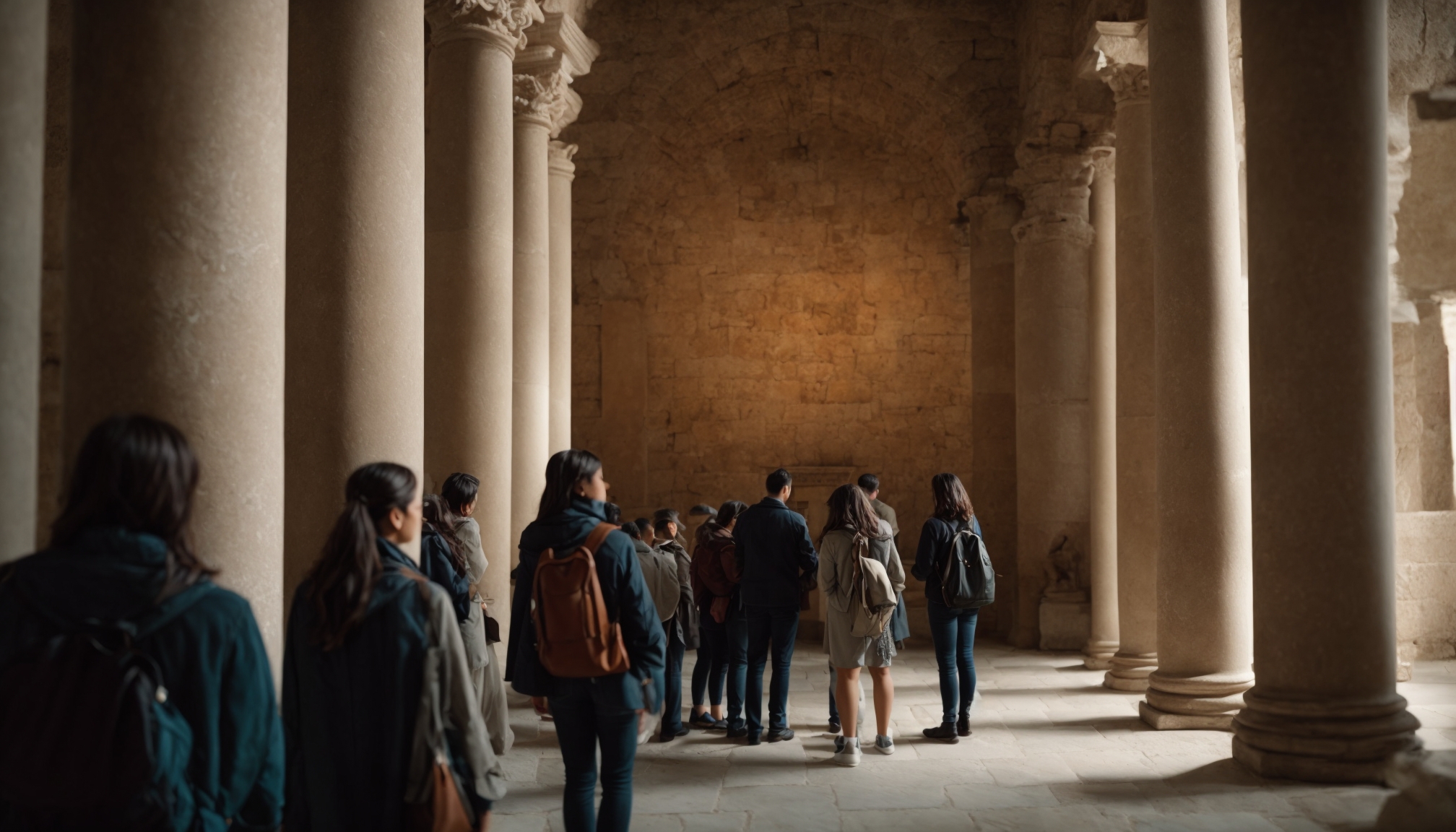
Teachers report that standing inside a fourth-century basilica or near an early martyr’s tomb changes how students read scripture. Lessons about persecution, liturgy, and church councils gain emotional weight when taught where those stories unfolded. As a result, many seminaries, universities, and secondary schools now schedule regular study trips to key sites.
Educators say sacred architecture and relics provide a multi-sensory context for ancient christian faith education. Stone walls, mosaics, and frescoes show how early believers expressed theology through art and space. Smells of incense and the sound of chant help visitors imagine how ancient worship might have felt.
Guides often combine archaeological background with theological reflection. They explain how early communities organized charity, resolved disputes over doctrine, and shaped spiritual disciplines. Because learners encounter material remains and spiritual traditions together, they better understand how belief and daily life interacted in the first centuries of the church.
Faith-based institutions now tailor ancient christian faith education to age and vocation. School groups follow simplified routes that connect short scripture readings with key sites. University students dive into debates about canon formation, heresies, and early councils, often with on-site lectures by historians.
Clergy and lay leaders use study pilgrimages for continuing formation. Retreats in historic monasteries combine silence, shared prayer, and lectures on spiritual classics first copied in those very scriptoria. This combination of travel, prayer, and rigorous study supports both head and heart, reinforcing long-term commitment to service.
Read More: Overview of religious pilgrimage and its historical development
Not every community can fund travel to distant shrines, so institutions complement journeys with digital resources that support ancient christian faith education. High-resolution virtual tours allow students to “walk” through churches, caves, and catacombs from a classroom or home. Interactive maps show how early Christian networks spread across the Mediterranean.
Museums and church archives increasingly share inscriptions, icons, and manuscripts online. Teachers use these collections in assignments that ask students to interpret art and artifacts, then compare them with biblical texts. Meanwhile, recorded lectures from scholars on location help bridge the gap between physical distance and historical intimacy.
Growing interest in ancient christian faith education also raises challenges. Many sites suffer from environmental damage, conflict, or mass tourism. Conservators must balance visitor access with strict preservation standards to protect fragile mosaics, frescoes, and ruins.
Local communities bear much of the economic and social impact. Responsible programs work with residents, hire local guides, and support sustainable tourism. They also highlight the living Christian communities that still worship near famous landmarks, emphasizing that these places are not museums alone but ongoing centers of prayer.
Some of the most significant locations for ancient christian faith education also hold importance for Judaism and Islam. Educators increasingly address this layered heritage. They introduce students to neighboring communities, encourage respectful dialogue, and show how sacred geography can both create tension and foster cooperation.
By exploring these intersections, learners recognize that early Christian history unfolded within a diverse religious landscape. Understanding that complexity can counter narrow or triumphalist narratives and foster a more humble, historically grounded faith perspective.
Many institutions now treat ancient christian faith education as a long-term commitment rather than an occasional trip. Curricula link classroom courses with on-site study, digital resources, and local service projects inspired by early Christian practices of hospitality and charity.
As schools, parishes, and families continue to explore historic shrines, catacombs, and monasteries, they show how ancient christian faith education can shape contemporary discipleship. The ongoing return to early sacred places suggests that the distant Christian past still offers guidance for communities seeking depth, resilience, and hope today.
Thornville Church - Your Source for Biblical Inspiration - numerous hidden christian heritage sites worth discovering remain off the beaten…
Thornville Church - Your Source for Biblical Inspiration - symbols and artifacts found in early church structures reveal much about…
Thornville Church - Your Source for Biblical Inspiration - The story of Daniel in the Lion’s Den remains a powerful…
Thornville Church - Your Source for Biblical Inspiration - Early christian sacred spaces have left a lasting cultural impact that…
Thornville Church - Your Source for Biblical Inspiration - haunted locations featured horror games have become central to the spine-chilling…
Thornville Church - Your Source for Biblical Inspiration - church symbols and icons hold profound significance in Christian worship, serving…