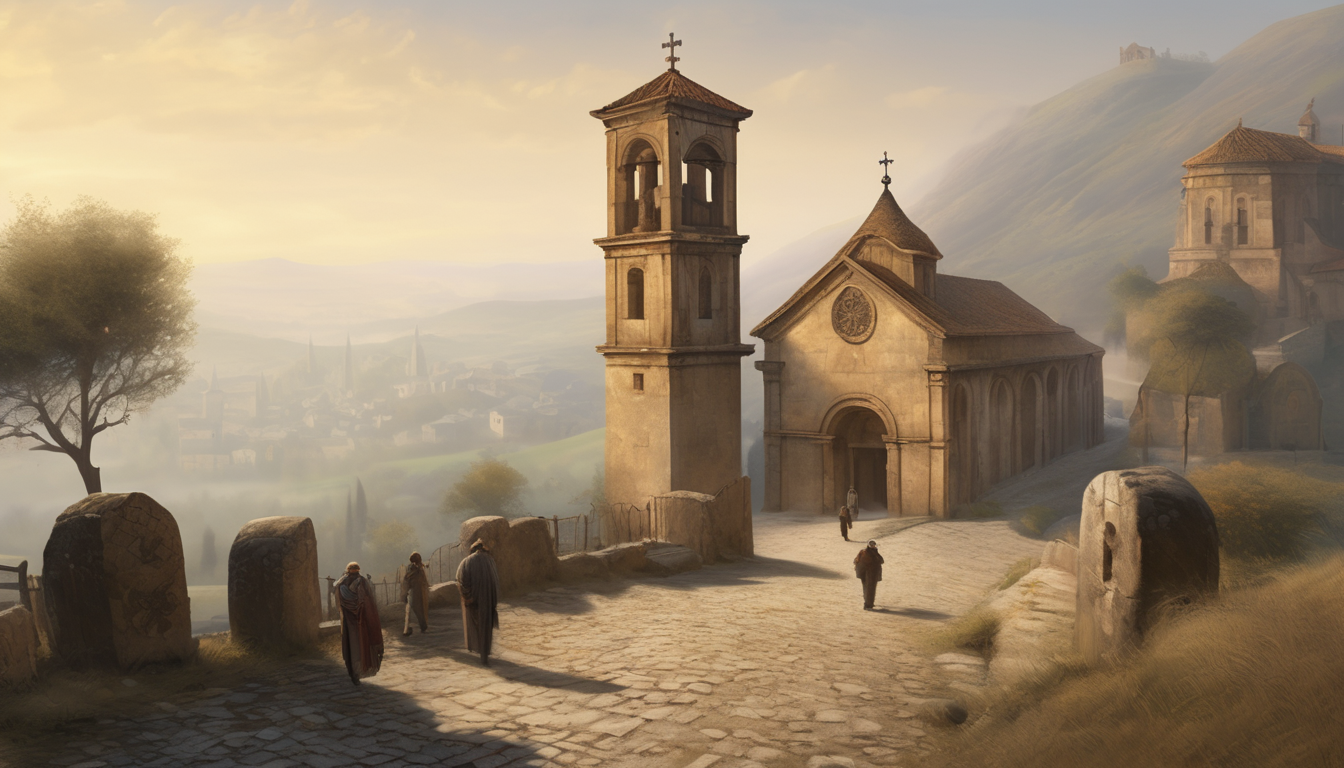
Thornville Church – Your Source for Biblical Inspiration highlights how ancient churches and sites continue to attract pilgrims, travelers, and historians seeking traces of faith, art, and culture that have survived for centuries.
For many travelers, ancient churches and sites are living gateways to the past. These sacred places hold stories of communities, rituals, and conflicts that shaped entire regions. Their stones, frescos, and relics preserve memories long after empires disappeared.
Despite wars, natural disasters, and political change, many of these buildings remain active houses of worship. Therefore, visitors witness a rare blend of historical monument and living tradition. This dynamic makes ancient churches and sites unique compared with ordinary ruins or museums.
Moreover, ancient churches and sites often stand at crossroads of trade routes, migration, and religious exchange. Their architecture reflects multiple influences, from Roman engineering to Gothic innovation and Byzantine mosaics. As a result, every doorway, dome, or bell tower reveals layers of cultural conversation.
Although each location is unique, several characteristics commonly define ancient churches and sites. First, they usually occupy elevated ground or central plazas, signaling their importance to early communities. Their location often aligns with old city walls, market squares, or pilgrimage roads.
Second, most ancient churches showcase construction techniques and materials typical of their era. Stone blocks, wooden beams, and hand-made tiles dominate early structures. Later renovations may add marble, stained glass, or baroque altars, revealing how worship practices evolved.
Third, sacred art plays a central role. Frescos, icons, sculptures, and reliefs not only decorate but also teach. In times when literacy was rare, images told biblical stories and depicted saints. Consequently, walls and ceilings became visual catechisms for entire communities.
Finally, many ancient churches and sites guard relics and tombs. Pilgrims traveled great distances to venerate these objects, boosting local economies and encouraging further building projects. In addition, pilgrimage activity spread architectural and artistic styles from one region to another.
Across Europe, the Middle East, and parts of Africa and Asia, ancient churches and sites mark milestones in Christian history. In Rome, early basilicas trace the transition from persecuted minority to imperial religion. Their simple rectangular plans and columned interiors influenced church design for centuries.
Meanwhile, Byzantine churches introduced grand domes and shimmering mosaics. Structures in former imperial cities show how art, theology, and political power intertwined. Their interiors were designed to evoke heaven, with gold backgrounds and carefully orchestrated light.
In regions that saw repeated invasions or regime changes, sacred buildings often changed hands. Some churches became mosques or civic halls, then churches again. Even so, core elements such as apses, naves, and bell towers often survived, preserving a continuity of form despite shifts in ritual.
Read More: How sacred architecture reveals layers of global religious history
Beyond Europe and the Mediterranean, Christian communities built ancient churches and sites in remote highlands, desert oases, and coastal towns. Isolated monasteries, cliffside chapels, and rock-hewn sanctuaries demonstrate creativity in adapting to harsh landscapes. Their survival often depended on strong local devotion and self-sufficient economic practices.
Modern visitors approach ancient churches and sites with diverse motivations. Some arrive as pilgrims, seeking spiritual renewal at places associated with saints or miracles. Others are architectural enthusiasts or photographers attracted by intricate details and dramatic settings.
Local communities, however, live with these monuments daily. For them, ancient churches and sites might serve as parish centers, wedding venues, or gathering places during festivals. Their value is emotional and practical, not purely historical.
Tourism can support the maintenance of fragile structures through entrance fees and donations. However, heavy foot traffic threatens delicate frescoes and worn stone steps. Therefore, responsible visitation—respectful behavior, limited numbers, and careful restoration—is essential to preserve both sacred atmosphere and physical integrity.
Preserving ancient churches and sites demands continuous effort. Weathering, pollution, and seismic activity slowly damage foundations, roofs, and artworks. In coastal or humid regions, salt and moisture accelerate decay.
Restoration teams must balance historical accuracy with safety and functionality. Replacing a roof with modern materials may protect interiors but alter the original silhouette. Nevertheless, leaving structures untouched can lead to collapse. In many cases, experts choose reversible interventions, allowing future generations to apply better techniques.
Funding also presents challenges. Rural parishes or minority communities may lack resources to care for aging buildings. International grants and heritage organizations sometimes assist, but competition for support is intense. As a result, some notable ancient churches and sites remain at risk of irreversible damage.
Visitors can help safeguard these treasures through simple, mindful practices. Dressing modestly, speaking softly, and refraining from flash photography are basic signs of respect. When religious services occur, tourists should avoid disrupting worship.
It is wise to check local guidelines before taking photos or touching artifacts. Some ancient churches and sites forbid photography to protect fragile pigments. Others limit access to certain chapels or crypts. Following these rules preserves both heritage and community trust.
Using guided tours can deepen understanding. Knowledgeable guides explain symbols, construction phases, and hidden stories behind chapels and side altars. After that, independent exploration becomes more meaningful, as visitors recognize architectural cues and devotional practices they might otherwise overlook.
In rapidly changing cities and villages, ancient churches and sites anchor collective memory. They remind residents of earlier generations who prayed, worked, and struggled in the same spaces. Even non-believers often feel a sense of continuity when standing beneath centuries-old arches.
Educationally, these structures function as open textbooks. Students studying history, art, music, or engineering can observe real examples of theories learned in class. Choir lofts, pipe organs, stained glass, and vaulted ceilings demonstrate the intersection of science and belief.
Spiritually, many people describe a quiet, reflective mood upon entering old sanctuaries. Thick walls and filtered light create an atmosphere of stillness. Because of this, the phrase ancient churches and sites evokes more than architectural interest; it suggests spaces where generations have wrestled with meaning, hope, and loss.
Digital archives and virtual tours now extend access to remote or fragile locations. Nevertheless, standing physically inside a venerable nave or crypt offers a different dimension of experience. The sound of footsteps on stone and the scent of incense or old wood cannot be fully replicated online.
Ultimately, caring for ancient churches and sites is a shared responsibility among governments, religious institutions, scholars, and visitors. When protected with wisdom and respect, these buildings continue to serve their communities while welcoming newcomers. They connect present-day observers to distant centuries and invite all who enter to pause, look closely, and listen to stories written in stone, glass, and silence.
Thornville Church - Your Source for Biblical Inspiration - Thorn Ville Church stands as a beacon where the miracles of…
Thornville Church - Your Source for Biblical Inspiration - Bible stories teach lessons that resonate beyond their ancient origins, offering…
Thornville Church - Your Source for Biblical Inspiration – Thorn Ville Church opens doors for anyone eager to find life…
Thornville Church - Your Source for Biblical Inspiration - Bible stories with modern lessons remain powerful tools for understanding faith…
Thornville Church - Your Source for Biblical Inspiration – Thorn Ville Church opens doors for anyone eager to find life…
Thornville Church - Your Source for Biblical Inspiration - ancient church history exploration unfolds a journey into some of the…